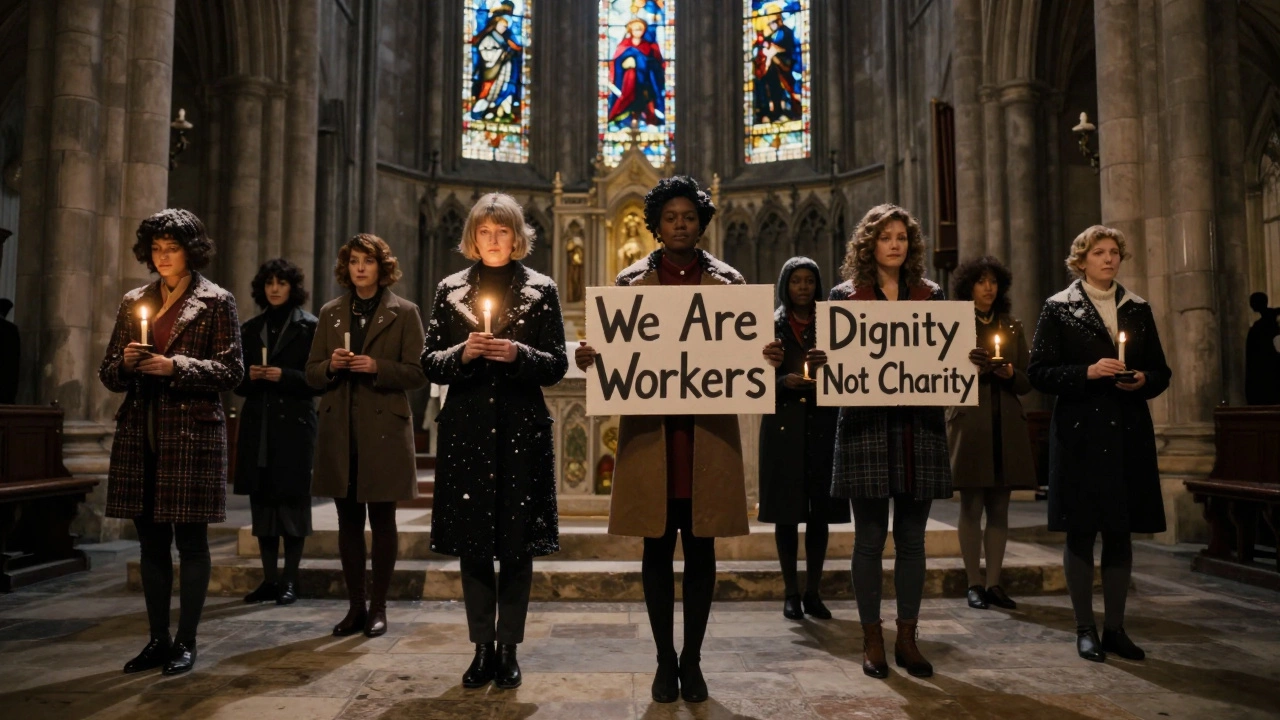
On December 2, 1981, sex workers in Paris took over the church of Saint-Nicolas-du-Chardonnet and declared themselves not criminals, but workers. They demanded dignity, safety, and legal recognition. That day became International Whores Day - a movement born from exhaustion, anger, and courage. Forty-five years later, the fight hasn’t ended. It’s just changed shape.
Back then, street-based workers in France faced brutal police raids, public shaming, and no legal protection. Many were migrants, survivors of abuse, or people with no other way to survive. One of them, a woman named Lilou, told reporters: "We don’t ask for charity. We ask for rights." Today, you can still find echoes of that demand in cities from Buenos Aires to Bangkok. And if you’re curious about how sex work is framed in modern Europe, you might come across terms like escorté paris - a word that sounds polished, but often hides the same power imbalances from decades ago.
What International Whores Day Really Is
International Whores Day isn’t a celebration. It’s a protest. It’s a reminder that when society criminalizes survival, it doesn’t make sex work disappear - it just makes it more dangerous. The day was started by the French collective Collectif des Travailleuses du Sexe, a group of women who refused to stay silent. They didn’t want pity. They didn’t want to be "saved." They wanted to be seen as people with the right to control their own bodies and labor.
Today, organizations like the Global Network of Sex Work Projects (NSWP) use December 2 to push for decriminalization, not legalization. That’s an important difference. Legalization means the state sets rules - who can work, where, how. Decriminalization removes criminal penalties entirely, letting sex workers organize, report violence, and access healthcare without fear.
The Paris Effect: How One City Changed the World
The 1981 occupation of the church wasn’t just symbolic. It sparked real policy shifts. In 2003, France passed a law that decriminalized sex work itself - but kept selling sex illegal. That’s the paradox. You can be a sex worker without breaking the law, but if you rent a room, advertise, or work with another person, you’re breaking it. This mess still exists in over 70 countries today.
Paris became a model. Not because it got everything right, but because it showed that sex workers could lead their own movement. In 1997, the first International Whores Day was held in Amsterdam. By 2005, it was recognized in over 30 countries. Today, it’s marked in places like Thailand, Brazil, and South Africa - often with protests, art installations, and public readings of sex workers’ stories.
Modern Myths and Real Risks
People still believe sex workers are "victims" who need rescuing. That narrative is used to justify raids, deportations, and forced rehabilitation. But research from the World Health Organization shows that criminalization increases HIV transmission by 30-50% among sex workers. Why? Because when you’re afraid of police, you don’t carry condoms. You don’t screen clients. You work in dark alleys, not safe spaces.
Then there’s the myth of "trafficking" as the main driver. The truth? Most sex workers choose this work. A 2022 study in the Lancet found that 89% of sex workers surveyed in Europe and North America said they entered the industry voluntarily. That doesn’t mean it’s easy. It means they’re making the best choice they have.
When governments push "rescue" programs, they often take away housing, ID documents, or bank accounts. They don’t offer alternatives - they just remove options. That’s not protection. It’s control.
What’s Changed Since 1981?
Technology changed everything. Apps, messaging platforms, and online booking replaced street corners. That gave workers more control over clients, hours, and pricing. But it also created new risks: algorithmic discrimination, platform bans, and digital surveillance.
Some workers now use platforms like OnlyFans or Patreon to monetize their labor without direct client contact. Others still work on the street - often because they don’t have access to smartphones, Wi-Fi, or bank accounts. The divide isn’t between "online" and "street" - it’s between those with resources and those without.
And then there are the words we use. "Escort" sounds cleaner than "prostitute." But when you say "ecort paris," you’re still talking about someone who exchanges sex for money. The spelling doesn’t change the reality. The same goes for "escorte paros" - a term that might trend on social media, but doesn’t make the work safer or more respected.
How to Support the Movement
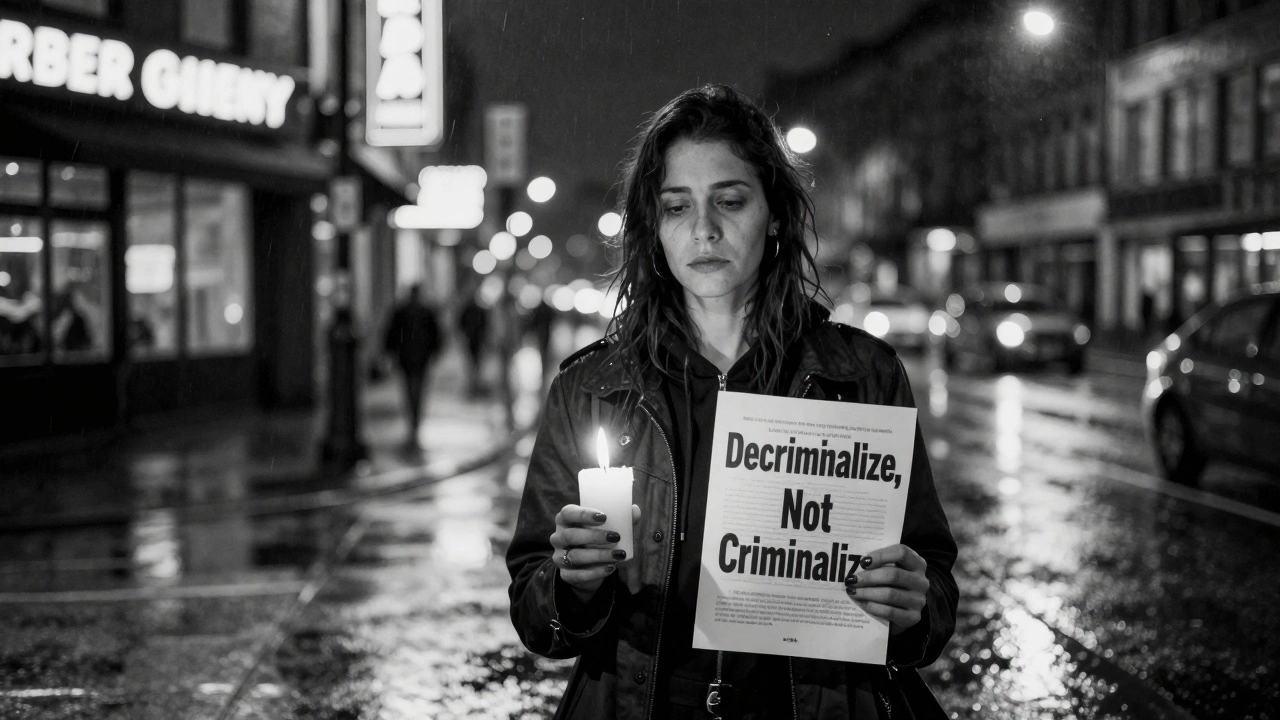
You don’t need to become an activist to help. Start by listening. Read stories from sex workers themselves - not from journalists or NGOs claiming to speak for them. Organizations like SWOP (Sex Workers Outreach Project) and Red Umbrella Fund fund worker-led initiatives globally.
Donate to groups that provide legal aid, housing, or health services directly to sex workers. Advocate for decriminalization in your country. Call your representatives. Write to media outlets that use stigmatizing language. And if you hear someone say "all sex work is exploitation," ask them: "Then what would you do if you had no other options?"
One of the most powerful things you can do is refuse to call sex workers "victims." They’re not. They’re workers. And like every worker, they deserve safety, respect, and fair pay.
Where the Fight Is Now
In 2025, Sweden still punishes clients - a model called the "Nordic model." It’s sold as "protecting women," but data from Sweden’s own National Institute of Public Health shows no drop in demand, and an increase in violence against sex workers. Meanwhile, New Zealand decriminalized sex work in 2003. Since then, violence has dropped by 40%, and 90% of sex workers report feeling safer.
Canada, Australia, and the UK are debating similar reforms. But progress is slow. Politicians still fear being called "pro-prostitution." Meanwhile, sex workers die in backrooms, in police custody, or from overdoses after being pushed underground.
The 1981 church occupation in Paris wasn’t about fashion. It wasn’t about tourism. It wasn’t about the fantasy of "escorte paros" - it was about survival. And today, that same survival is still on the line.